This article was first published in Campus Morning Mail on January 19, 2020
Once upon a time if you were feeling unwell or something hurt you went to the doctor. The doctor listened, examined you, diagnosed the problem and then explained what you should do about it.
Today, if you feel unwell or something hurts, you are more likely to google your symptoms, gather copious amounts of information, decide what you think is wrong, look up what might help and then go to a health professional with your self-diagnosis handy.
In the information age, when knowledge is at our fingertips, patients increasingly come to health professionals looking for advice about managing information sourced from the internet.
While Australians are independently sourcing health information with ever more sophisticated digital literacy skills health professionals maintain an important role as trusted advisors.
If the health professional is no longer the sole gate keeper of information, what might this mean for health professional curricula going forward?
It is likely (and not a bad thing) that future health professionals will need:
- skills in non-judgemental appreciative enquiry and deft redirection where unsafe suggestions are raised
- high levels of digital literacy
- a strong commitment to community engagement.
Curricular developers will need to contemplate ways of preparing future graduates to respond to increasingly diverse requests for guidance and a greater desire by the public to be actively involved in their own health care.
The pace of change is dramatic and the big challenge for health professional curricula is to evolve quickly.
There is a clear need to align emerging health issues as identified by education providers with public perceptions of information availability and reliability, which may lead to different diagnoses or place different emphases on the value of solutions.
Establishing active partnerships with members of the public would seem a sensible way forward.
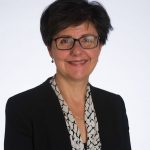
Professor Maree O’Keefe
Discipline Scholar (Health) 2010
National Teaching Fellow 2013
ALTF 2019 Legacy Report here